Wellness tourism is now an $894 billion machine, and the fastest-moving gear inside it is longevity. Travelers aren’t just booking massages and green juice anymore. They’re flying to Mexico for full-body MRIs, checking into British Columbia lodges for metabolic resets, and debating protein restriction protocols over breakfast. The Global Wellness Institute projects the sector hits $1.3 trillion before the decade ends, with longevity experiences driving a disproportionate share of that growth. But here’s what the glossy brochures won’t tell you: the market is fracturing. There’s the glossy, clinical side where a four-day diagnostic package can cost more than a used car. Then there’s a quieter rebellion among travelers who want to live longer without turning their holiday into a hospital stay.
The Clinic-First Crowd Wants Proof, Not Pampering
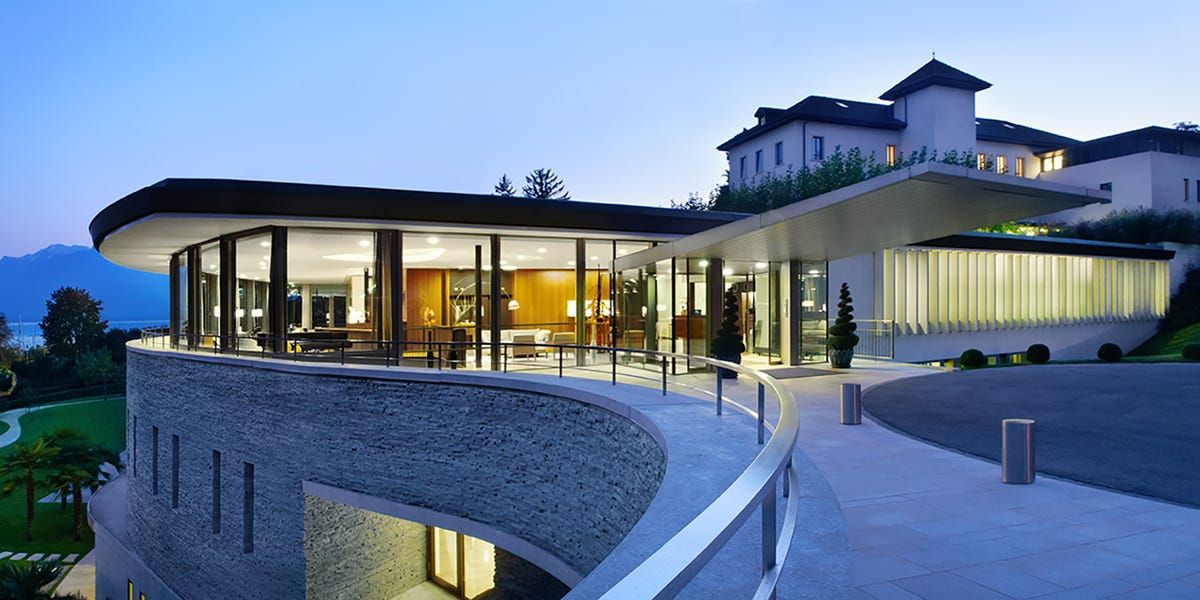
The luxury hospitality world has noticed. Virtuoso’s latest advisor data shows clients now asking for restorative breaks framed as health investments, not indulgences. New openings like the Estate Longevity Center in Los Angeles are baking diagnostics and regenerative therapies directly into the guest experience. The longevity clinic tourism market alone is valued at roughly $18 billion today, with forecasts pushing toward $48 billion by 2033.
We’ve spent time in the forums where these travelers actually plan trips, and the tone is surprisingly clinical. People on Reddit’s FATTravel and longevity communities aren’t asking about aromatherapy. They want DEXA scans, VO2 max testing, and weight training programs. They actively reject anything that smells like spiritual filler. One popular thread specifically sought “100% science-based” retreats and drew sharp recommendations for places like SHA Wellness Clinic Mexico and Mountain Trek in British Columbia. The same crowds warn each other to vet providers carefully, because a hot treatment in one season can look questionable the next.
Cost is the obvious wall. Most of these programs remain luxury-only, and even wealthy travelers question whether a $20,000 package delivers measurable benefits beyond a standard wellness stay. That skepticism is healthy, because regulatory scrutiny is catching up. This month, legal analysts flagged growing risks around unsubstantiated healthspan promises, noting that the FDA is paying closer attention to longevity claims tied to commercial products and services. If you’re booking a trip based on a promise to extend your life, you deserve to know who’s regulating that promise.
The Other Side Just Wants to Garden and Sleep
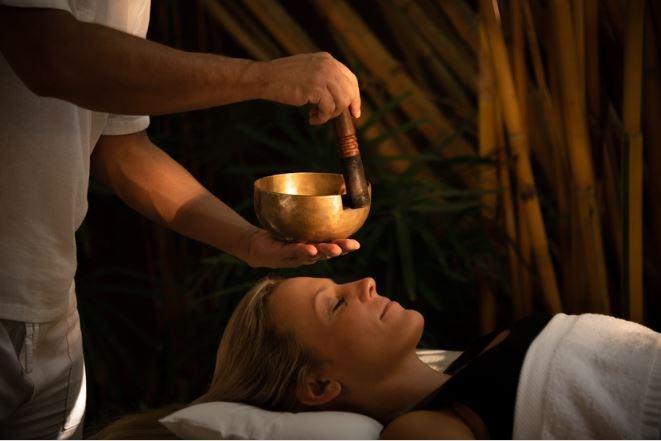
While the clinic crowd chases biomarkers, another group is quietly rewriting the itinerary. We saw this emerging in early 2026 trend data and it’s only strengthening. Travelers are seeking “lo-fi” longevity experiences that prioritize social connection, nature immersion, and low-stress routine over biohacking. Think gardening retreats, Mah Jongg tournaments, star-bathing sessions, and goat yoga. The through-line isn’t anti-science. It’s a recognition that constant self-optimization might be its own risk factor.
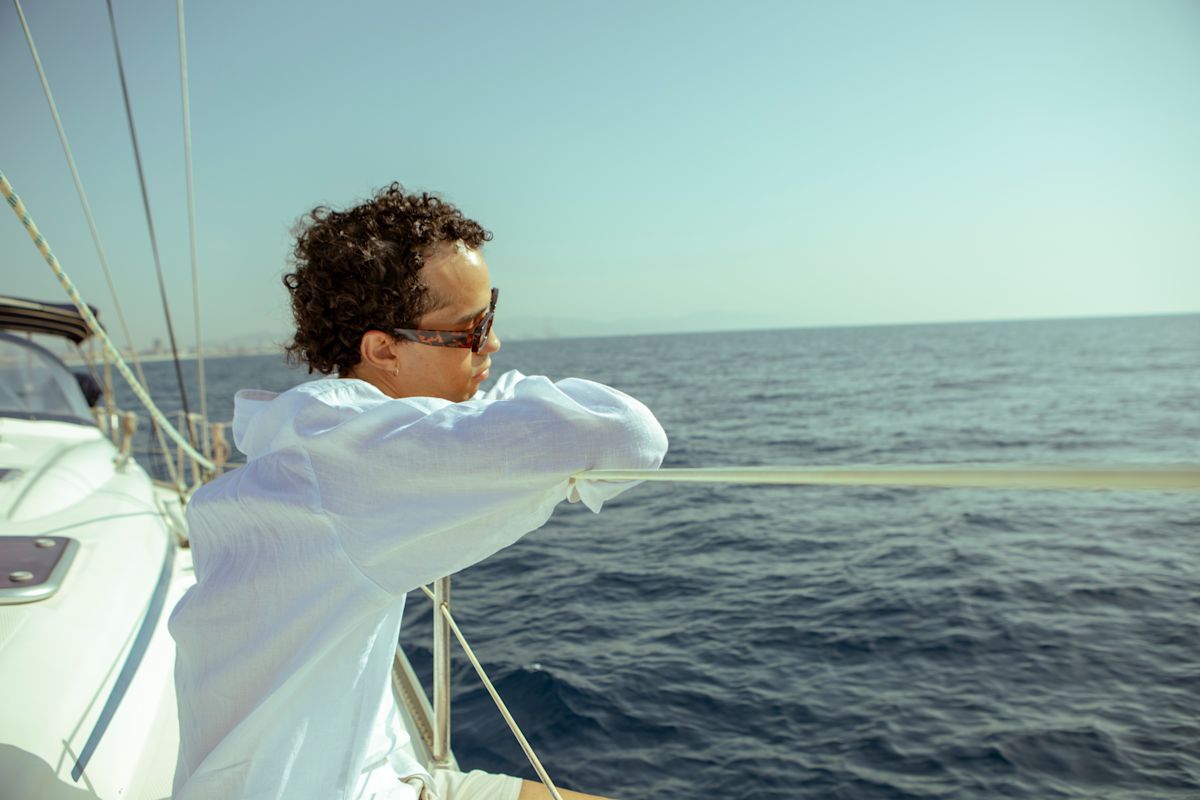
This shift mirrors what we explored in our piece on star-bathing and goat yoga as genuine wellness tools. It’s also tied to the broader “blue mind” movement, where simply being near water outperforms many boutique therapies. Our earlier look at blue mind travel made the case that local, water-adjacent trips can deliver stress reduction without the boarding pass to a lab.
Women’s health is another underreported force here. Longevity protocols have historically been built on male-centric data, but 2026 is seeing a push for female-specific programming that addresses hormonal health, bone density, and menopause management in travel contexts. Meanwhile, the pet longevity boom is influencing family decisions. People are now choosing destinations that accommodate both their own preventive routines and their dogs’ wellness plans.

What strikes us most is where this is heading. Industry trend forecasts for 2026 highlight a move toward “longevity residences,” everyday homes and neighborhoods built around preventive medicine. If that shift accelerates, the travel industry will have to compete not with clinics, but with your own living room.
So the question isn’t whether longevity travel is real. It’s which version you actually need. The $20,000 diagnostic escape has its place, and we’ve mapped that terrain in our guide to looking past the $20,000 retreats. But don’t ignore the cheaper, slower, arguably harder path of sleeping properly, eating simply, and talking to strangers under actual stars. That might do more for your lifespan than any IV drip.