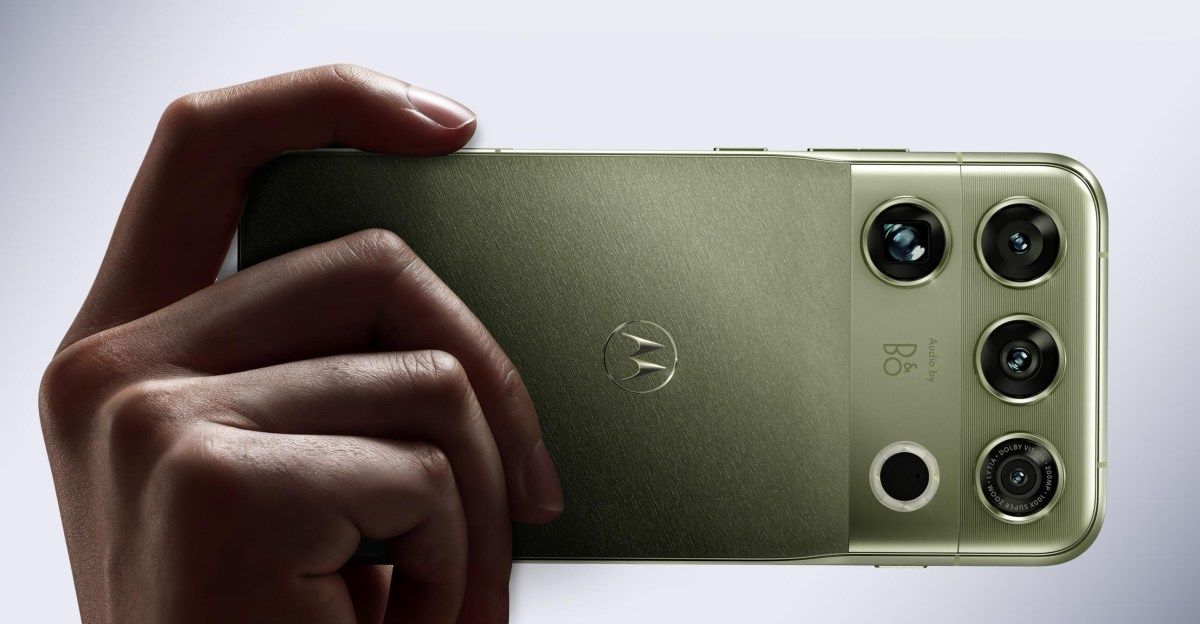
Motorola started pushing stable Android 17 to its Signature flagships in India this week, and the speed alone is worth noting. While Samsung and OnePlus owners are still staring at beta calendars, Motorola has already moved from its February beta program to a stable OTA. That rarely happens. But after digging into the actual eligibility list and spending time in the forums where beta testers have been venting since July, I’m convinced the rollout speed is only half the story. The other half is a confusing roster of supported devices that raises serious questions about how long Motorola actually plans to support the phones it sold you.
What the Update Actually Brings
The stable build, running Motorola’s HelloUI over Android 17, is feature-dense. Stackable widgets finally let you layer home-screen shortcuts without eating every row of grid space. Live Updates wrap a Dynamic Island-style pill around the centered front-camera cutout, which is genuinely useful on foldables like the Razr series where inner-screen real estate matters. The Quick Settings panel has been rebuilt with larger touch targets and hideable labels, and cross-platform Quick Share now works via QR codes and web links so you can beam files to iPhones without begging the recipient to install a dozen apps.
There is also AI-powered notification grouping and anti-scam detection for SMS, MMS, and RCS. That last one is the kind of practical security layer that matters more than a redesigned icon set, especially in markets where spam and phishing texts are daily noise. Motorola confirmed more than fifty devices across the Signature, Razr, Edge, and Moto G lines are eligible, with the Edge 70 series and recent Razr Fold variants next in line after the Signature phones.
Where the Rollout Starts to Fracture
Here is the problem. The official eligibility list, published earlier this month, is a mess. I noticed duplicate entries for the Edge 60 series, unannounced hardware like the Edge 70 Neo and Plus models appearing out of nowhere, and glaring omissions that make no sense. The Edge 50 series is missing despite being current-generation hardware. The Moto G75, which Motorola previously suggested would see multi-year support, is nowhere to be found. Reddit threads and Lenovo forum posts are already filling up with buyers asking why their year-old phones have been ghosted.
Beta testers who ran Android 17 on the Edge 70 and G57 Power reported app freezing, display flickering, and broken camera layout elements as recently as late July. Some of those bugs were supposed to be patched before stable, but the forum chatter suggests a few glitches are still slipping through. If you own a budget Moto G model, do not expect this update soon. Based on Motorola’s historical patterns, those devices are likely looking at Q1 2027, which is an absurd wait for a phone that is still on store shelves.
The AI features are also shaping up to be tiered. Enhanced versions of the Qira assistant and on-device scam detection appear to require NPU hardware that simply is not present in the cheaper models. So even when the budget phones do get Android 17, they will probably receive a stripped build. It is the same two-tier software story we have seen from other manufacturers, but Motorola’s marketing rarely admits it upfront.
All of this confusion feels more scripted than a primetime soap. Speaking of which, Generations: The Legacy season 7 is leaning hard into exactly that kind of drama. At least there, the twists are intentional. I have honestly had more fun tracking Mi Casa’s new album and DJ Tira’s latest EP than refreshing Motorola’s update tracker, and those releases actually arrived when promised.
Cross-ecosystem Quick Share and the anti-scam tools are genuinely useful additions, and I think everyday users will feel those more than a themed icon pack. But the value gets undercut when you cannot trust whether your device is actually invited to the party. Motorola has a chance to repair its reputation for slow updates here, yet the sloppy eligibility roster and missing promised devices might do more damage to consumer trust than a delayed OTA ever would.
My advice? If you own a Signature or Edge 70 series device, enjoy the update. It is solid. If you bought an Edge 50 or a Moto G last year, start making peace with the idea that your phone’s best software days may already be behind it. And if you are shopping for a new Motorola today, do not look at the marketing slides. Look at the fine print on that support list, because right now, it reads like a rough draft.