Five days on shelves, and the story is already settled. Reviews call the Pixel 11 the most polished phone Google has ever shipped, while a reader poll pulling more than ten thousand votes put 73 percent of people firmly in the not-hot camp. Same device, opposite reactions, and both sides are correct.
After a week with the Pro XL, my read is blunt. This is a maintenance release wearing flagship pricing, and Google knows it. The pitch isn’t aimed at anyone who upgraded last year. It’s aimed at the person still nursing a Pixel 7 with a swollen battery, and that’s a far bigger market than enthusiasts want to admit.
A maintenance release wearing flagship pricing
The lineup splits the usual way: Pixel 11 at $899, Pro at $1,099, Pro XL at $1,299, Pro Fold at $1,899, all unveiled at the Made by Google event and on shelves since August 20. Every model runs the Tensor G6, every model starts at 256GB, and support runs seven years. The base phone gains a 30x zoom and a camera bar thinned by roughly 40 percent, which sounds trivial until you hold it.
Here’s what the keynote skipped. RAM drops to 12GB on the lower-storage Pro and Pro XL builds, down from 16GB on their Pixel 10 equivalents. Memory costs across the industry have gone vertical, so Google protected margin instead of specs. Heavy multitaskers will feel it eventually, and it’s a downgrade tucked inside a price increase.
So who’s this actually for? People still holding a Pixel 7 or 8, full stop. For them the camera, efficiency, and AI jumps are large enough to justify the spend, and seven years of updates makes the math comfortable. For Pixel 10 owners, nothing here comes close to $899 plus tax, which is why pre-order sweeteners of $100 to $350 in gift cards, stacked on trade-in bonuses up to $250, read less like celebration and more like persuasion.

What release-day units actually show
I’ve run a Pro XL since launch morning, and the headline camera claims mostly survive contact. The front sensor is sharper, portraits frame beautifully, and low light stays class-leading. Push past 50x zoom, though, and everything collapses into smeared watercolor. The AI processing Google advertises is precisely what betrays you at extreme range, inventing detail the lens never caught.
Skin smoothing is the other sore spot. Portrait mode airbrushes faces by default with no clean way to dial it back, and early buyers across forums are posting the same softened results within days of delivery.
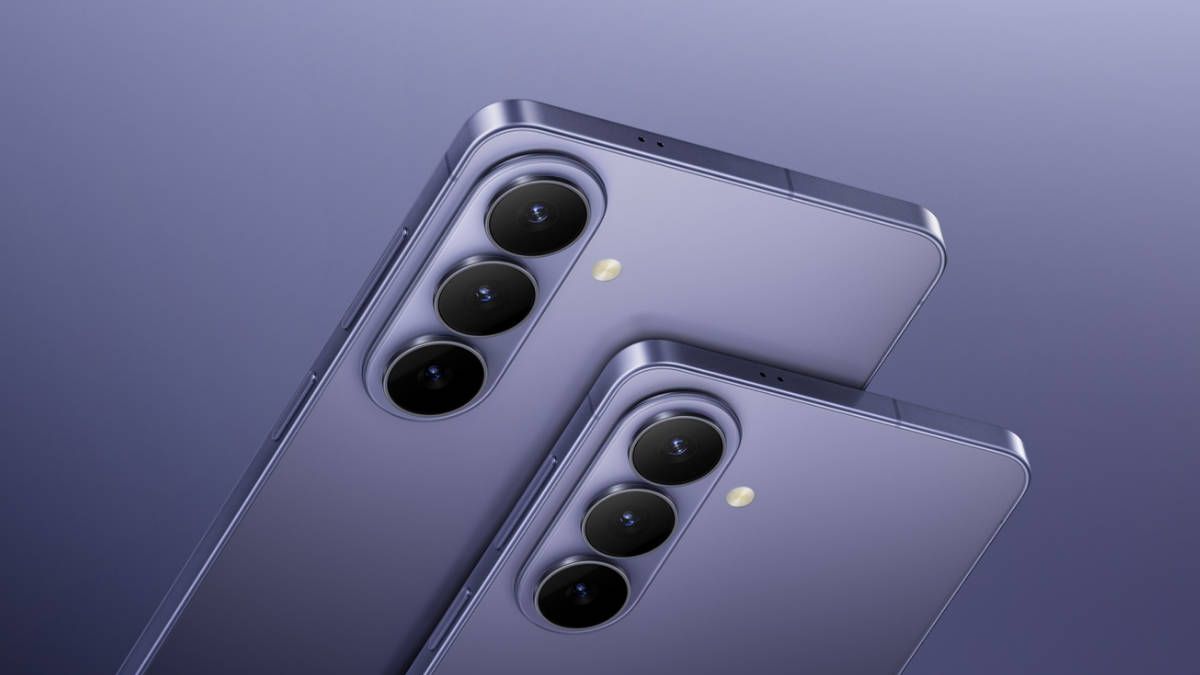
The HiLight strip is the most interesting hardware nobody asked for. Eight LEDs ring the camera bar, pulsing for notifications, timers, and a few Gemini tricks. It’s locked to preset colors with no third-party access yet, so it’s a charming party trick waiting on an API. I like it. I also can’t tell you why it exists.
Battery is where optimism thins out. Capacities on the Pros are flat to slightly smaller than last year, wired charging sits at the same 30W, and the whole efficiency story rides on the Tensor G6 behaving itself. Layer on eSIM-only hardware in the US, no LTPO panel on the base model, and a camera bar durability question that refuses to die, and you get a phone asking for trust it hasn’t fully re-earned.
Flat sales, fat subsidies
Sales match the mood. Shipments are tracking flat at roughly 2.5 million units for the year, with global share creeping toward 1.1 percent in a shrinking market. India is the genuine bright spot despite pricing that starts near Rs 89,999, while US carriers prop up demand with free phones tied to new lines at all three major networks. Subsidized momentum isn’t the same thing as desire, and Google’s spreadsheets know the difference even if the keynote never said it aloud.
We broke down the launch coverage and the ecosystem play when it was announced, and our earlier value analysis of the Pro and Pro Fold still stands: the AI upgrades are real, just not worth $200 over last year for anyone on recent hardware. South African readers have it tougher, because the local availability picture is its own mess, with thin stock and pricing that loses badly to imports.
Two things matter from here. Whether Magic Capture and proactive Gemini mature into reasons instead of garnish, and whether discounts arrive before the holidays. History says they will, and when they do, the math for Pixel 8 owners flips hard in Google’s favor.
My verdict is simple. The Pixel 11 is a very good phone sold to the wrong crowd at the wrong moment. If you’re holding a Pixel 7 or older, buy it and stop reading reviews. If you’re on a 10, keep your money and wait for Google to come to you, because it will. Seven years of updates only counts for something if year one doesn’t feel like a rerun.