Yesterday, without a press release or a single word of explanation, Samsung raised the price of nearly every Galaxy S26 configuration in the US. The S26 is now $999, the S26+ $1,199, the Ultra $1,399, and the 1TB Ultra jumped $200 to $1,999. The changes simply appeared on samsung.com, and I’ve spent the day since working out what they actually mean.
My take up front: this isn’t a one-time correction for expensive memory chips. It’s a mid-cycle tolerance test, the second in seven months, and the way it was executed tells you more about where flagship pricing is headed than the numbers do.
Two hikes in seven months, zero explanations
The math is uglier than the headline. The S26 and S26+ already carried a $100 premium over the S25 equivalents when they launched in March. Now the Ultra has caught up, every storage tier moved, and against last year’s lineup the base and Plus models cost effectively $200 more for hardware most buyers can’t tell apart from the S25.
Two details stood out while I went through the store. The S26 FE and the current foldables were untouched, so Samsung knows exactly which price points it can defend. And the same day, South Korean prices rose by roughly 149,600 won, about $110, with a bigger jump on the top Ultra tier. This was a coordinated global move, not a US accounting quirk.

The rollout was deliberately quiet. No blog post, no justification, no executive quote. When a company raises launch prices it at least performs an explanation. Raising them mid-cycle with no words at all is a calculated bet that outrage fades faster than the revenue arrives.
The memory excuse has an awkward hole in it
The story attached to the hike is that DRAM and NAND costs exploded because AI data centers are eating every memory wafer on the planet. Samsung’s own Q2 earnings call said the shortage will persist into 2028. Chips are genuinely expensive. And here’s the awkward part: Samsung is the world’s largest memory maker. Its semiconductor division books the windfall from the exact shortage its phone division cites to charge you more. The company profits on both ends of the same transaction.
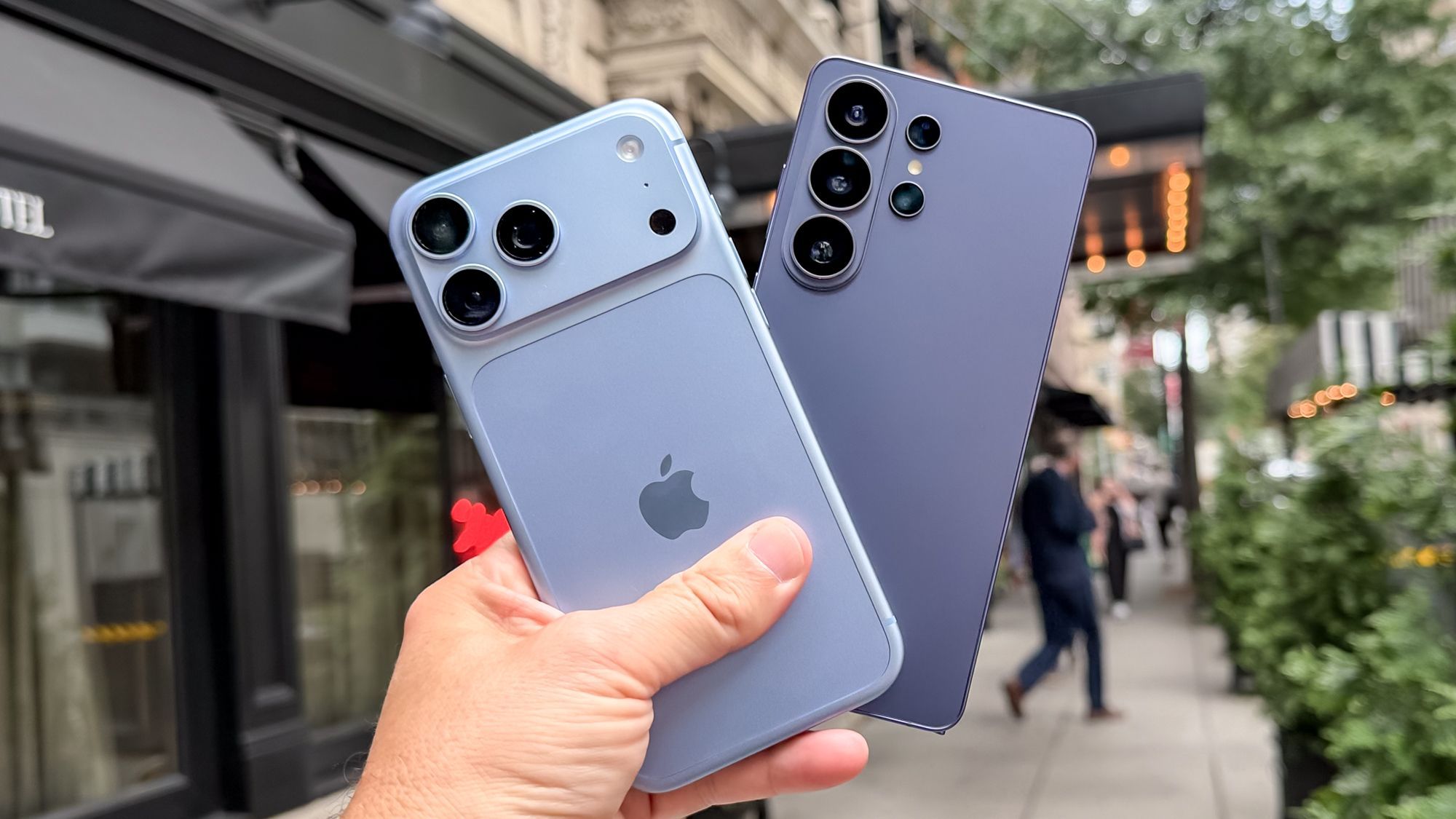
I’ve been reading the reaction threads since the change went live, and that irony is where the anger concentrates. People aren’t upset about $100 in isolation. They’re upset that nothing on the phone changed to justify it, that this is the second hike inside one cycle, and that the shortage narrative comes from the company that benefits most from the shortage. Underneath sits a quieter worry. If this runs to 2028, it’s a new baseline, not a blip, and every flagship maker is watching to see if Samsung gets away with it. Apple already ran this experiment with the iPhone 17, so the precedent is stacking.
Which raises the question I can’t shake: if memory costs justify higher prices forever, why did the FE escape? Samsung spared its cheapest flagship variant entirely. That’s not cost accounting, that’s segmentation. The entry point to the ecosystem stays put while anyone who wants the actual flagship pays more.
What I’d do if I were buying right now
There’s a short window worth exploiting. As of yesterday, Amazon and Best Buy hadn’t pushed the new prices live, so the old MSRP was still floating around at third-party retailers. That lag won’t last and stock-dependent windows close fast. If you’ve been sitting on an Ultra purchase, today beats Friday.
Prime Big Deal Days lands October 6 and 7, and Black Friday follows. Since Samsung just raised the anchor price, those discounts will likely land near the old MSRP, which is exactly how this game works. Paying full sticker on a Galaxy phone in October was bad advice before this week. It’s worse now.
Two friction points keep surfacing from recent buyers. Trade-in values and carrier subsidies haven’t adjusted to the new pricing, and people who bought two weeks ago are discovering Samsung’s price-match policy is more suggestion than promise. Meanwhile the hike makes last year’s S25, while stock lasts, the rational buy rather than a compromise. Samsung’s own pricing just admitted as much.
One thing to watch over the coming weeks is whether this hike survives Black Friday intact or gets dressed up as a limited-time saving. If the new prices hold through the biggest discount season of the year, mid-cycle hikes are officially a tool, and the S27 launches from this higher floor. Our early S27 Ultra leak analysis already assumes a pricier baseline.
The $100 isn’t the scandal, the method is. Samsung moved prices the way a utility raises rates, quietly and because it can. If buyers absorb this without a measurable sales dip, expect the same silent treatment next cycle, from Samsung and everyone copying them. Decide what a phone is worth to you before the sticker decides for you.