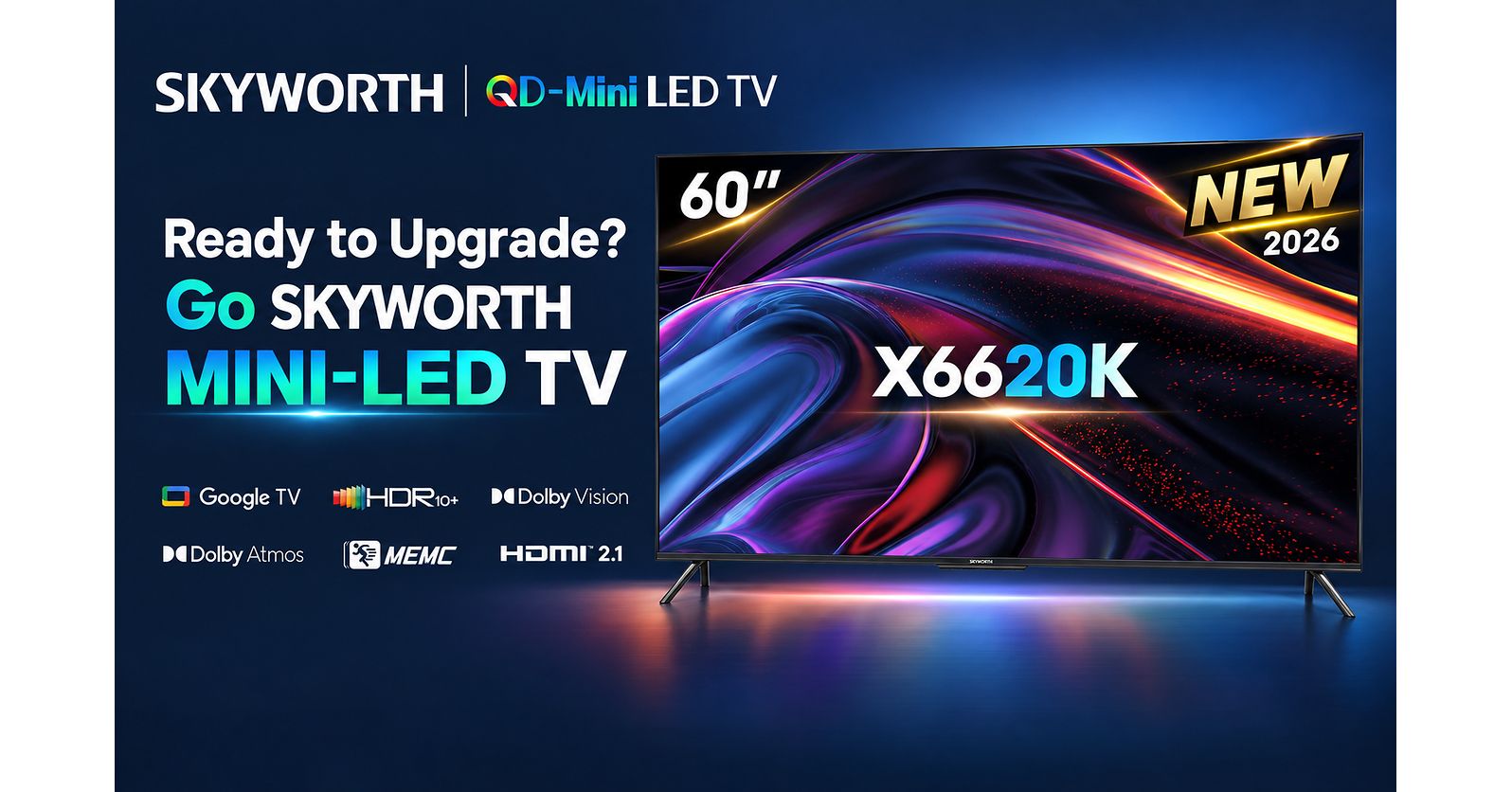
August arrived with Samsung’s new M70H and M80H Mini LED TVs officially listed across South Africa. The Samsung ZA site is dangling 0% interest on Visa and Mastercard credit cards, plus trade-in incentives and Rewards bundles. Takealot already has the 75-inch M70H locked in at R13,999. That pricing sits in the awkward middle where it isn’t impulse-buy cheap, but it isn’t flagship expensive either. After spending time with the specs and watching how these models have landed with early buyers overseas, I’m convinced most South African shoppers are being sold a marketing label instead of a meaningful upgrade.
What Mini LED Actually Means on These Panels
Samsung slots the M70H and M80H above Crystal UHD and below Neo QLED. That gap is exactly where the trouble lives. Samsung wants you to hear Mini LED and think Neo QLED Lite, but the reality is far less exciting. I’ve been monitoring teardown threads and early owner reports since these models started shipping globally, and the feedback is remarkably consistent. The backlighting appears to be edge-lit with Mini LED branding used more for buzz than for performance. Local dimming is weak, blacks turn milky in dark scenes, and contrast falls apart in dim rooms. For South African homes where evening viewing happens after the curtains close or during load shedding with limited lighting, that limitation is going to sting.
The hardware cuts run deeper. You only get three HDMI ports, positioned so far back and awkwardly that flush wall mounting becomes a headache in tighter Johannesburg or Durban apartments. One owner report I tracked mentioned the lack of a Toslink optical output, forcing a reconfiguration of existing soundbars. Some base M70H variants are limited to 60Hz refresh rates despite the “Motion Xcelerator” branding, which means fast PSL action or SuperSport rugby won’t look nearly as smooth as the marketing implies. For a household running a DSTV Explora, a PlayStation, and a soundbar, three rear-facing HDMI ports is a recipe for cable spaghetti and frustration. It’s a machine built to tick boxes on a spec sheet rather than perform in a real lounge.

Financing, Football Mode, and the Ecosystem Trap
Samsung South Africa understands this market. Zero-percent financing over twelve months makes a R13,999 television feel like a bargain, especially when the Rand isn’t stretching the way it used to. Pair that with Samsung Rewards and extended Care+, and the ecosystem slowly locks you in before you’ve even assessed picture quality. It’s the same playbook they’re running across their mobile division, where preorders and financing bundles keep buyers inside the Samsung orbit for years. Clever retail psychology, but it doesn’t change what’s on the screen.
For soccer-mad local viewers, the M80H’s AI Football Mode sounds like a dream. I’ll believe it when I see it handle a grainy SABC broadcast or a compressed DSTV stream without turning the pitch into a smeared green mess. Then there’s the Vision AI Companion, an always-active assistant Samsung wants in your living room. The privacy and data questions this raises for South African users haven’t even entered the local conversation, because we’re all too busy staring at the “Mini LED” badge.
Urban Lifestyle SA covered the launch back on July 17, but after that the silence is telling. Beyond that official press cycle, there’s almost no local chatter on MyBroadband, no excited unboxing threads, no credible independent South African reviews. That vacuum suggests these sets are either landing as a quiet niche rollout, or early adopters simply aren’t impressed enough to talk. In a market where we’ve already questioned whether QD Mini LED delivers on its promises, Samsung’s latest feels like another layer of confusion rather than clarity.
South African buyers deserve better than a spec sheet sleight of hand. If you’re considering the M70H or M80H because the word Mini LED sounds premium, I’d strongly recommend viewing one in person first. Bring a dark video clip, test the ports against your wall mount, and ask whether that 0% financing is worth half a decade of mediocre contrast and input shuffling. There are better ways to spend that money in this economy, from stepping up to a proper Neo QLED to exploring alternatives that don’t lean so hard on buzzwords. Sometimes the smartest tech purchase is the one you don’t make until the marketing fog clears.