The Pixel 11 series hit retail shelves this morning, and after spending the last week watching early owners unbox their units and stress-test the Tensor G6, we keep coming back to the same thought. Google didn’t ship a new phone so much as a very expensive patch for the Pixel 10’s weakest traits. The modem no longer hunts for signal like a lost tourist. The chassis runs cooler under load. Battery life actually lasts through a workday. Those are welcome fixes. But $899 for the base model is a lot to ask for what feels, in your hand, like a familiar device with better manners.
We covered the Pixel 11 launch and broader ecosystem last week, so we won’t rehash every spec. What matters is the gap between what Google announced and what landed in buyers’ hands. The switch to a MediaTek modem and the Tensor G6 chip are the headline hardware shifts. In daily use, the difference is immediate. Threads from early adopters are filled with people noticing cooler charging temps and screens that don’t roast your palm during navigation. One owner ran Antutu on the Pro and landed around 1.7 million with a peak temp of roughly 37°C. That’s controlled. That’s new for Pixel.
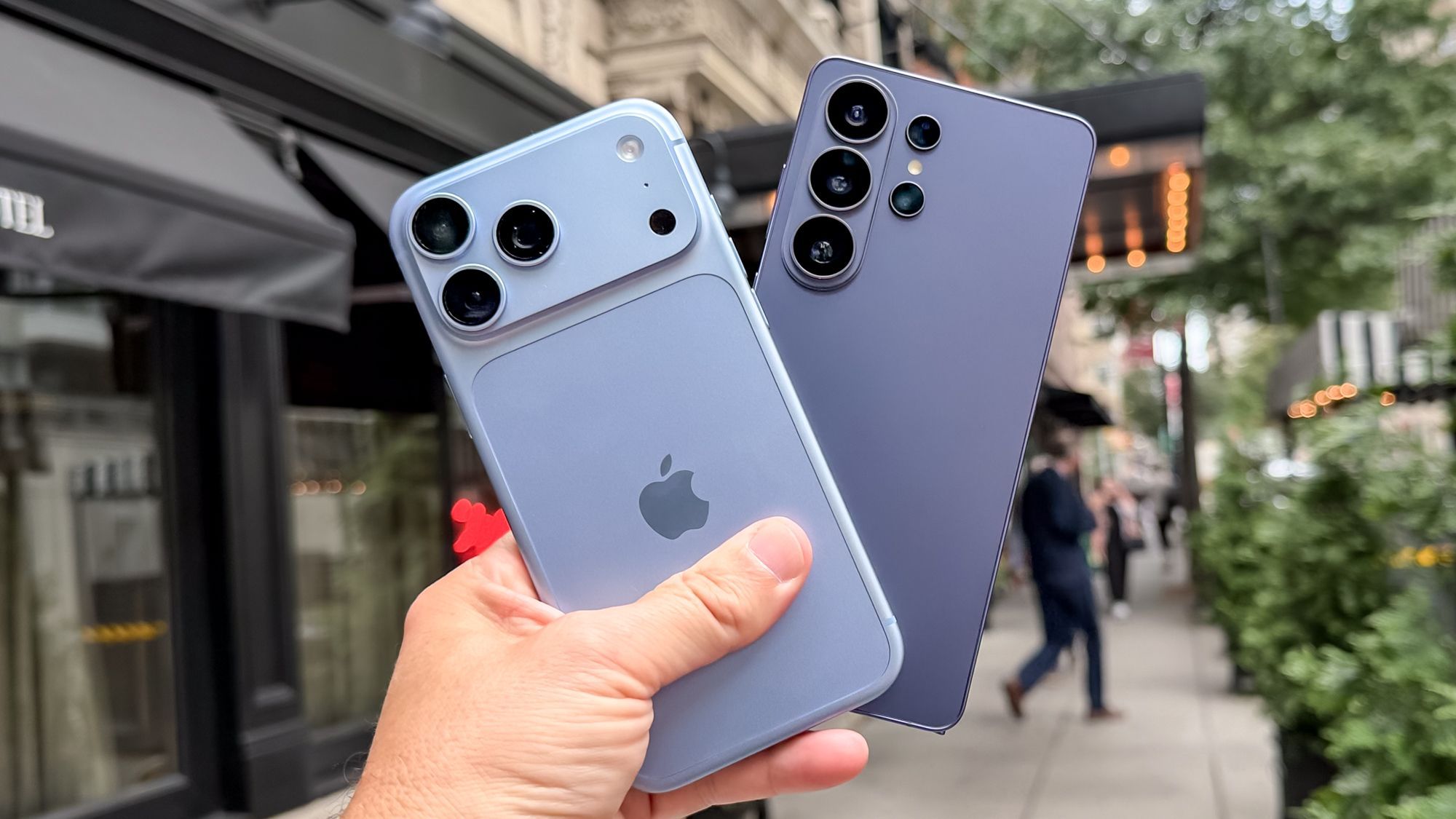
Which is exactly why the rest of the package is so frustrating. The EPREL durability rating stayed stuck at B. The smaller Pixel 11 Pro took a worse beating in drop tests than its siblings, and in at least one direct comparison the base model’s display still trails the iPhone 17 in color accuracy. Raw single-core scores on the Tensor G6 continue to lose to Apple’s three-year-old silicon. You get the sense that Google solved the heat problem and then called it a day.
The Camera Software Saves the Announcement
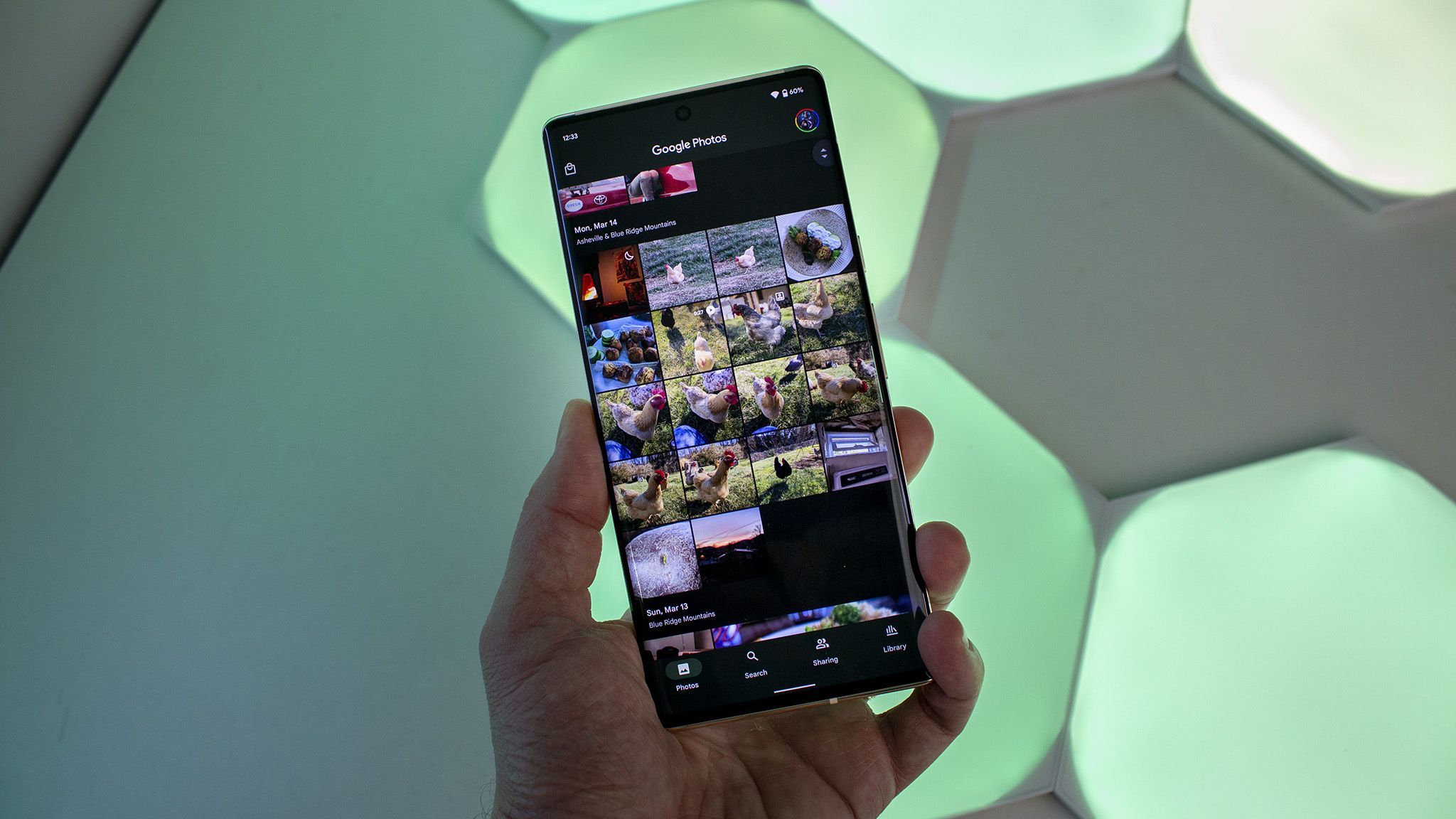
If the hardware is a refinement, the camera suite is where Google actually flirted with ambition. The Creator Suite, new editable “Looks,” and a Teleprompter mode for video are the kind of workflow tools that make iPhone users glance over with envy. The “Natural Look” filter tones down the aggressive HDR over-processing that made Pixel photos look like oil paintings. 8K Video Boost is limited but legitimate. We’ve been testing the new zoom guidance features and the subject tracking feels genuinely useful for anyone shooting content on a phone.

And then there’s HiLight. Google pitched it as a marquee AI feature, but early hands-on reports are calling it half-baked. Launch scope is narrow. Some zoom guidance only works on inanimate objects. The promise is that it’ll expand later, which is Pixel-code for “wait six months.” It is becoming a pattern. The Pixel 11 Pro Fold carries a similar engineering story, where the hinge and thermal package got real attention but the software still feels like a beta waiting for updates.
Pricing, Trade-Ins, and the Regional Split
At $899 for the base Pixel 11 and roughly $1,099 to get into the Pro, Google is squarely in iPhone territory. The configurations on the base model sting, too. You’d expect more RAM and storage as standard in 2026, especially when rivals are being less stingy with base memory. The value conversation gets ugly fast if you’re coming from outside the Pixel world.
But Google isn’t really going after switchers this year. The real strategy became obvious once we dug into the upgrade threads. Existing Pixel 10 Pro XL owners are stacking trade-in credits with Google Store promotions and walking away with an 11-series device for close to nothing. It’s a brilliant retention play. Google is farming its own ecosystem, letting loyalists subsidize their next lock-in cycle without ever dropping the sticker price.
The regional story is even more revealing. Japan pricing landed as an outlier. When adjusted, the Pixel 11 Pro models sit notably cheaper than their US equivalents, framed locally as a genuine value drop rather than a premium hike. It looks like Google is using Asia-Pacific pricing to test whether volume can offset margin. Here in the US, we’re paying the prestige tax.
So where does that leave the Pixel 11 on launch day? It’s the coolest, most efficient Pixel ever made. It takes better video and less plastic-looking photos. And if you already live inside Google’s walls, the upgrade math is almost too good to pass up. But let’s not pretend this is a leap. It’s a software update that requires a new motherboard and a credit check. For everyone else, the value equation is thin. We’ll be watching the thermal data as the rollout widens, because if those early battery gains hold, the story might shift. Until then, this is the year Google stopped chasing specs and started selling loyalty.