Google unveiled the Pixel 11 Pro Fold during the Made by Google event in New York on August 12, and pre-orders opened the same day. I spent the past week watching early shipments land in buyers’ hands ahead of the August 20 wide release. The official story is easy to repeat: a thinner chassis, an 8-inch inner OLED pushing 3,600 nits, and the new Tensor G6 chip. But the real narrative is less glamorous. Google is asking $1,899 for a durability promise, not a spec sheet victory.
The 6.5-inch outer display is the most immediate improvement. For the first time, the front screen feels like a normal phone when folded, which sounds minor until you remember how cramped the last generation felt. Unfold the device and the new gearless hinge reveals itself through motion, not marketing. The resistance is smoother, the sweep is more deliberate, and the crease is less aggressive than on the prior Pixel Fold. You still see it under direct light. You just stop caring faster.
The Engineering Google Won’t Put on a Billboard
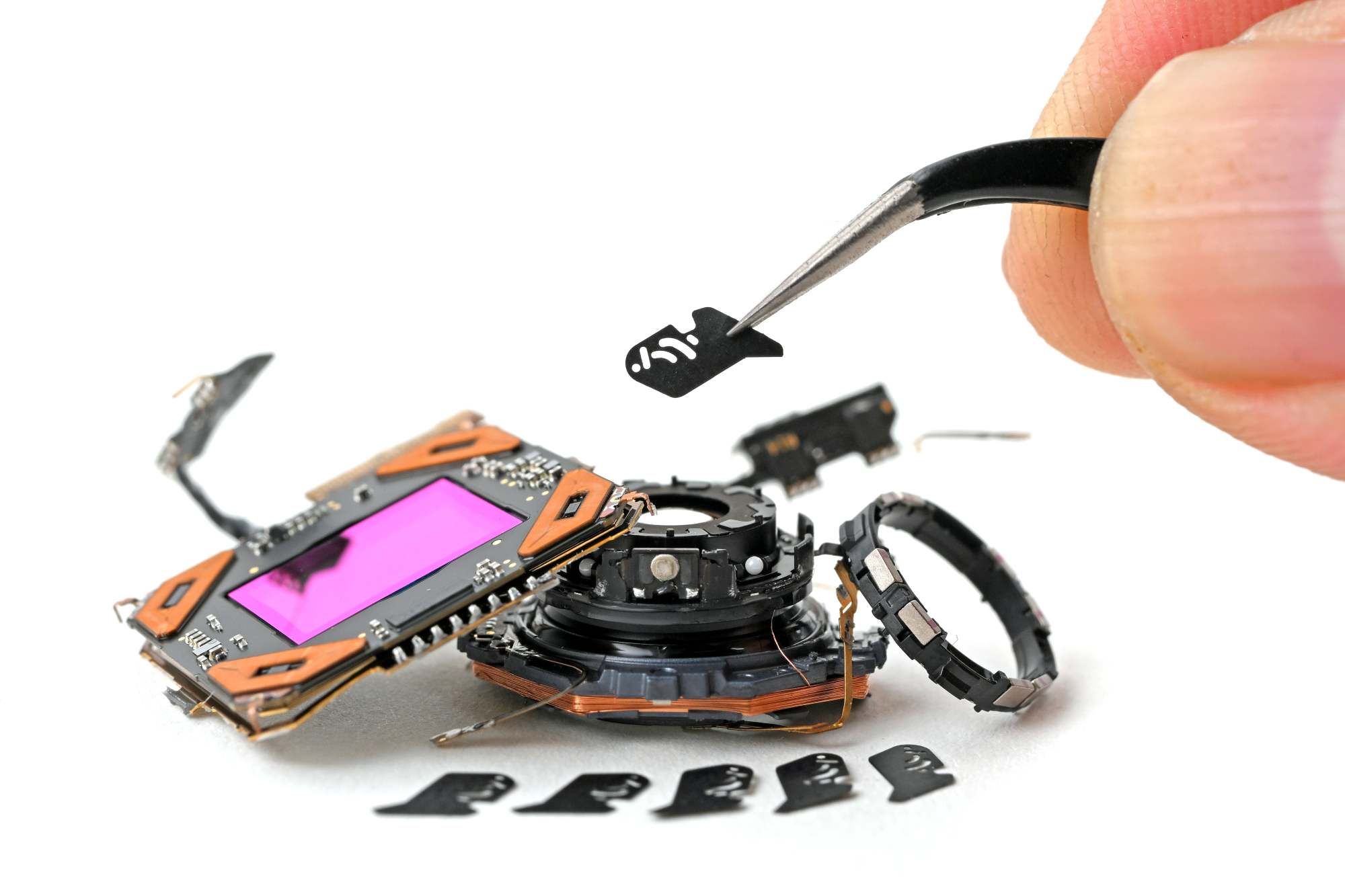
While the keynote led with brightness and AI, the conversations I’ve been tracking in forums and early unboxing threads focus on materials. The glass-fiber composite back is a genuinely unusual choice for a flagship, and buyers are already stress-testing it. Google claims the cover is nearly impossible to crack. That sounds like typical hype until you consider that most foldable failures start at the corner seams and frame dings, not the display itself. Add ceramic cover glass on the outer screen rated at triple the durability of its predecessor, and the hardware story becomes more interesting than any benchmark score.

It still isn’t light. Despite the diet, the Pixel 11 Pro Fold carries density in the hand, and the camera bump remains a physical negotiation during one-handed use. IP68 is back, which is simply table stakes at this tier, but hinge longevity remains theoretical. Nobody has cycle-tested this gearless design through a year of pocket lint and winter gloves yet. I suspect the real verdict won’t arrive until next summer, when we either see reports of looseness or silence that confirms the engineering held up.
The Real Math Behind That $1,899 Sticker
Headline pricing jumped $100 across the Pixel 11 lineup, and the Fold’s $1,899 base cost triggers immediate sticker shock. But the checkout flow tells a different story. Existing Pixel owners are stacking trade-ins, launch discounts, and bundle codes to cut the effective price nearly in half. One early buyer I watched this week paid roughly $822 out of pocket after trading a Pixel 10 Pro Fold, and walked away with a free Pixel Watch 5 and accessories bundled in. I already ran the numbers on the upgrade value proposition last week, and the Fold only makes sense if the hardware outlasts the payment plan.
That reframes the conversation. When your net cost lands in standard slab-flagship territory, the question stops being whether you can afford a foldable luxury tax. It becomes an ecosystem bet. Buyers switching from Samsung’s Z Fold line or from iPhone mention the same thing: the front screen finally feels like a destination, not a compromise. Bubble Anything multitasking is slick in demos, though I still want to see how third-party apps handle the floating window logic after a month of real use.
Friction remains. Accessory stock is trailing the announcement, with cases and films only now ramping up on Amazon and carrier shelves. Availability outside the US and Japan is unclear, and Google’s track record suggests a slower global rollout for a niche device. If you’re not in a launch market, you’re not merely waiting on inventory. You’re waiting to see if the hinge rumors hold up before you even get a chance to buy.
I keep coming back to the camera. The 48MP main sensor is larger, but there’s a quiet consensus forming that the Fold still makes trade-offs the slab-style Pixel 11 Pro XL avoids. For creators asking about LOG video and professional codecs, early units haven’t delivered definitive answers. And while the AI features look polished out of the box, I’ve already flagged the geography problem that limits where Gemini and Bubble Anything actually function outside launch regions.
The Pixel 11 Pro Fold officially hits shelves tomorrow, but its real review starts in six months. Google’s strategy is clear: sell trust through ceramic glass and a gearless hinge, then sweeten the deal with trade-in math that masks the sticker shock. It’s smarter than a raw spec war, but it’s also a long game. If that hinge develops wobble by spring, all the fiber composite in the world won’t salvage the story. If it holds, Google finally owns a foldable that justifies its own price tag. I’m not convinced yet, but for the first time, I’m willing to be surprised.