Samsung published its August 2026 Security Maintenance Release on August 4, and it looks like one of the heavier bulletins this year. Fifty-six vulnerabilities sit inside, thirty-eight from Google and eighteen from Samsung, with eight critical CVEs and several high-priority Samsung-specific flaws. But here we are on August 21, and the rollout feels more like a slow drip than a coordinated push. If you own a flagship Galaxy S26, there’s a decent chance your phone is still running July’s patch while the Galaxy Z Fold 8 is already locked and loaded in Korea. That’s not how most users expect the pecking order to work.
The Fix That Should Worry You
Most monthly security bulletins blur together into a generic number. Fifty-six fixes. Forty-seven fixes. It’s easy to tune out. This month, though, one Samsung vulnerability deserves your full attention. SVE-2026-0916 is a bypass in SemClipboardService that lets an unprivileged local app read your clipboard data without asking. That means passwords, two-factor codes, and anything else you copy and paste could be hoovered up by malicious software sitting quietly on your phone. I’ve been watching the community reaction to this one, and the word scary keeps coming up. It’s not hyperbole. A clipboard authorization bypass is exactly the kind of flaw that translates directly into real user harm.
Samsung also patched SVE-2026-1829, a Weaver access control issue, and several ecosystem-level holes inside default apps like Contacts, Dialer, and Messages. The full list is documented on the Samsung security portal, and it’s worth a read if you want to know exactly which attack surfaces got sealed. For those who want a local reference, we’ve also put together a full patch breakdown that covers the key fixes. Not every Google CVE applies to Samsung hardware, but enough do that skipping this month isn’t a good idea.

The Rollout That Makes No Sense
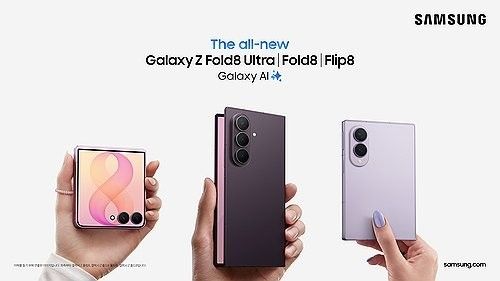
Samsung started pushing the August build around mid-August, roughly August 13 to 15. The first devices to see it were the Galaxy Z Fold 8 and Flip 8 in Korea, the Galaxy XCover 7 across parts of Asia, and even the aging Galaxy Watch 5 Pro. Meanwhile, the Galaxy S26 series is still stuck on beta builds in markets like the UK, with stable users left watching from the sidelines. I’ve seen the frustration building on X and in Samsung’s own community forums. Users are asking why a two-year-old wearable and a rugged mid-range handset are getting priority over this year’s flagship.
The answer is probably logistics, not favoritism. Samsung often stages rollouts by region and by hardware readiness. The Fold 8 and XCover 7 likely cleared internal testing first, so they got the green light. But that doesn’t make the optics any better. When Chinese manufacturers are shipping timely monthly patches to budget phones, Samsung’s most loyal customers, the ones who paid premium prices for an S26 Ultra, don’t want to hear about staged deployment queues.
There’s also the separate Google Play System Update, which is currently hitting devices on One UI 8.5 and older but not yet on the newest foldables. That creates a two-tier patching experience where your security level depends on which update channel fires first. If you’re on an older One UI version, you might get the Play System patch quickly but wait days for the full SMR. It’s fragmented, and fragmentation is the enemy of security.
On top of the speed issue, I’m seeing scattered reports of post-update network problems on older models like the S23 Ultra. These look isolated for now, but they add to the anxiety. No one wants to be the guinea pig who trades a security fix for a broken mobile connection.
What Actually Matters
Samsung’s security team isn’t slacking. The August bulletin is thorough, the clipboard fix is genuinely important, and the company is still committed to four years of support for most modern Galaxys. But the gap between bulletin publication and device delivery is widening in 2026, and users have noticed. The One UI 9 beta is soaking up engineering attention, and I suspect that’s pulling resources away from stable monthly rollouts. That’s a tradeoff Samsung needs to manage more carefully. Security patches aren’t a marketing feature. They’re a contract with the user.
If your Galaxy hasn’t pinged you yet, don’t ignore the notification when it finally arrives. Install it immediately. And if you’re still on an older device nearing the end of its support window, treat this as a nudge to check your upgrade options. The August patch is solid. The rollout just needs to catch up to the quality of the work inside it.