The iPhone Ultra price leaks arrived this week and the internet did what it always does: converted currencies badly and panicked. I’ve spent the last two days pulling apart the carrier listings and the supply-chain estimates, and I’ve landed on an uncomfortable conclusion for both camps. Yes, Apple’s first foldable will be expensive. No, the price isn’t the real problem. The spec sheet is.
The leaked numbers, stripped of panic
A Vodafone Australia internal listing went live on September 3 with the full pricing ladder: AU$3,699 for 256GB, AU$4,199 for 512GB and AU$4,699 for 1TB, with pre-orders opening there on September 12. That’s the most concrete pricing evidence anyone has before Apple’s event on the 9th.
https://twitter.com/ev_downunder/status/2095887654321098765
Direct conversion makes that AU$3,699 figure look like $2,666 in US money. It isn’t. Australian pricing includes GST, and once you strip the tax and normalize for Apple’s usual regional gaps, you land almost exactly where TrendForce’s component math sits: $2,099 to $2,299 to start, with the 1TB tier pushing past $3,000. That lines up with Mark Gurman’s long-held expectation that Apple won’t go below $2,000, and his note that he’d be ‘very surprised’ if the Ultra didn’t arrive alongside the iPhone 18 Pro models.

Then there’s the scariest number circulating, roughly 155,750 EGP from a supposed Vodafone Egypt listing, which converts to about $3,056. Vodafone Egypt has since denied the listing was ever real, and even if it had been, Egypt’s import duties and taxes inflate Apple hardware by close to 38%. Adjust for that and you’re back near $2,200. The panic math was wrong in both directions.
What $2,300 doesn’t buy anymore
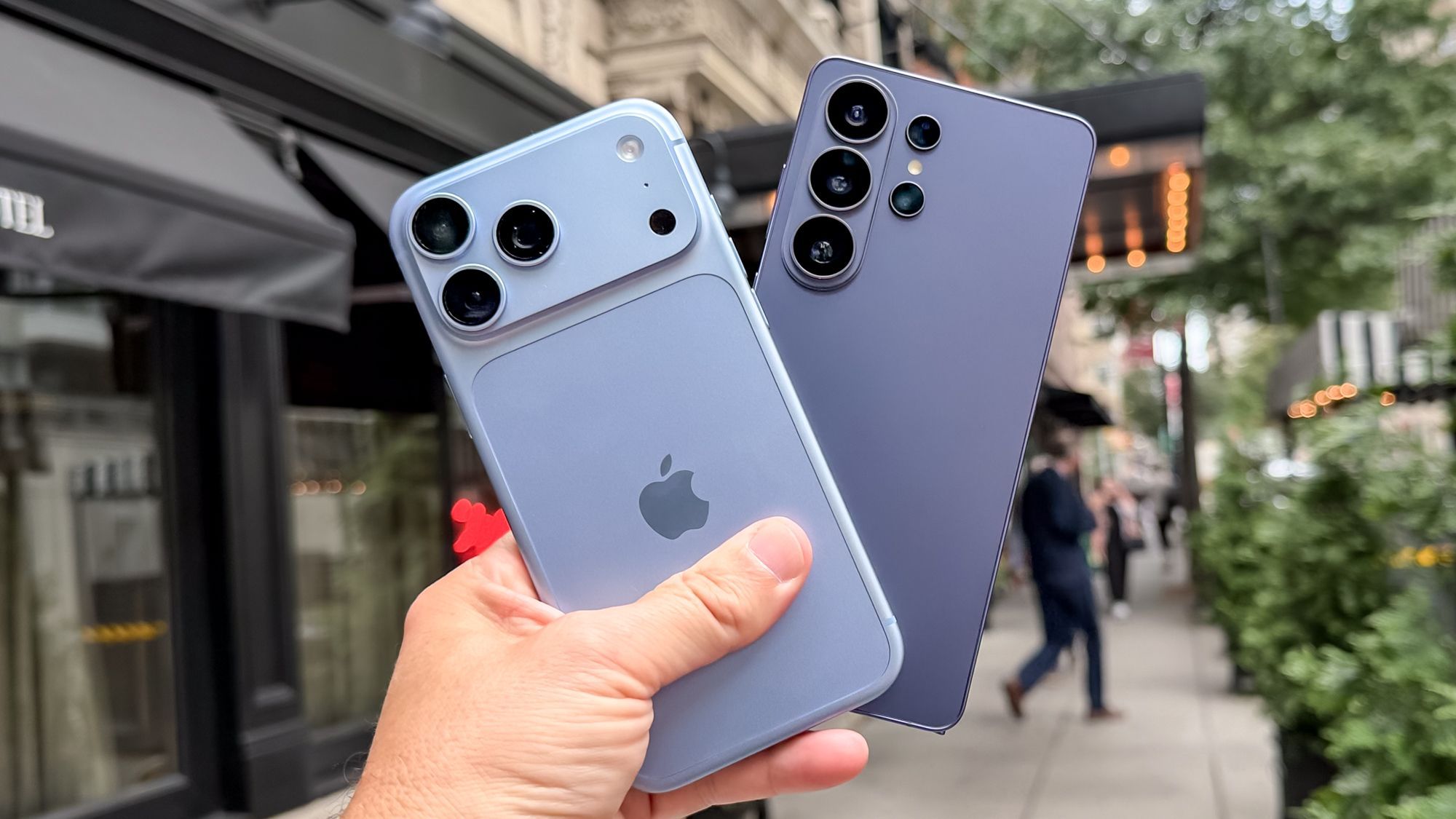
Here’s where the value argument gets hard to defend. At that price, the Ultra reportedly ships with a Touch ID power button instead of Face ID. No telephoto camera, and a battery that has to split itself across two display panels. The inner 7.8-inch 120Hz OLED sounds genuinely special, and the liquid metal hinge may beat anything Samsung has managed on the crease, but you’re paying flagship-foldable money for a device that gives up two features the cheaper Pro has shipped for years.
The Vision Pro comparison keeps surfacing in the threads I’ve been reading, and it’s apt in a way the price alone doesn’t capture. Initial production is targeting around 10 million units, with suppliers needing three to five months to ramp. Low volume plus a high price means fewer people ever handle one, fewer people normalize the category, and foldable adoption grows slower despite Apple finally showing up. That’s precisely how the Vision Pro went.
And the smart-buy argument writes itself. The iPhone 18 Pro and Pro Max keep Face ID, carry stronger cameras and cost dramatically less, and the recent camera hardware leaks suggest that gap is widening rather than closing. This also echoes the pattern from the iPhone 17 price hikes, where Apple leaned on financing to soften the sticker. Expect the new Apple Upgrade program to turn $2,300 into a monthly number that feels reasonable right up until you do the multiplication.
What to watch on Wednesday
Three things matter when Apple takes the stage at its ‘Surprise and Shine’ event on September 9. First, the actual US starting price, because everything above is estimate and carrier noise until then. Second, whether US pre-orders open on the 12th while Australia and other markets wait, which would confirm the supply constraints are real. Third, the fine print on MagSafe and Apple Pencil support, both rumored but unconfirmed, and either one would shift the value math. Samsung has shipped Galaxy Ultra stylus support for years, so Apple playing catch-up here would say a lot.
My honest take? The Ultra will sell out anyway, and that’s the most damning part. Scarcity plus eight years of pent-up demand for a foldable iPhone makes the price debate academic for launch week. The question worth asking isn’t whether you’d pay $2,300. It’s whether a device missing Face ID and a telephoto lens deserves to be the most expensive iPhone ever made, or whether Apple is charging a premium for a hinge and calling it a category. I lean toward the second, and I suspect Wednesday settles it.